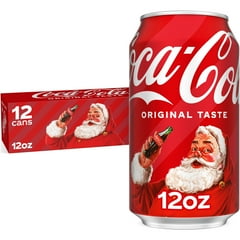
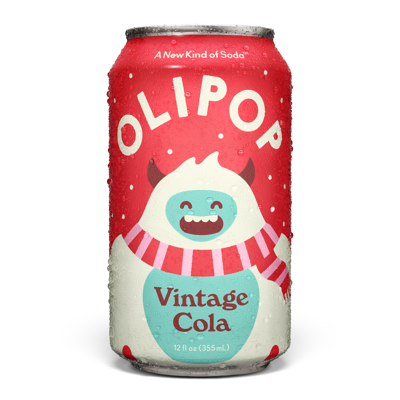
Mostly yes — OLIPOP is "better" than regular Coke nutritionally, but it's not automatically a health food.
Compared with a 12-oz Coke, OLIPOP Vintage Cola has far less sugar and fewer calories. Coke has 140 calories and 39 g sugar / 39 g added sugar in a 12-oz can, which is 78% of the FDA Daily Value for added sugar. (coca-cola.com) OLIPOP Vintage Cola's current listed formulas show roughly 35–40 calories, 1–2 g added sugar, and 6–9 g fiber per 12-oz can, depending on the version/label. (drinkolipop.com)
So if your goal is less added sugar, fewer calories, and more fiber, OLIPOP wins pretty clearly.
The catch: OLIPOP's "better" status mainly comes from replacing sugar with fiber/prebiotics and sweeteners, not because it's some miracle gut-health drink. Prebiotic fibers like inulin/chicory-type fibers can be useful, but they can also cause gas, bloating, cramps, or diarrhea, especially if you're sensitive or drink more than one. NIH/NIDDK notes some people get more gas symptoms when they consume too much fiber. (niddk.nih.gov)
Caffeine-wise: Coke has 34 mg caffeine per 12 oz; OLIPOP Vintage Cola lists 50 mg from green tea caffeine, so OLIPOP may actually be a bit more caffeinated. (coca-cola.com)
Bottom line:
- Better than regular Coke? Yes, for sugar/calories and fiber.
- Better than water/unsweetened drinks? No.
- Worth it? If it helps you replace regular soda and doesn't upset your stomach, it's a solid upgrade. If you're drinking it as "gut medicine," I'd be more skeptical.